

The measures provided for in the National Recovery and Resilience Plan aim to strengthen the separate waste collection network and the material treatment and recycling plants to improve the circular economy and waste management throughout the country.
European legislation has set a target for 2025 stipulating that no more than 10% of waste should end up in landfill and that 65% should instead be recycled. Data released by ISTAT show that in 2019, only 54 out of 107 Italian provinces failed to meet the 65% target for separate waste collection.
The PNRR calls for tenders for the Circular Economy and Waste Management are divided into two macro-investments: Circular Economy “flagship” projects and the construction of new waste management plants and the upgrading of existing ones.
Circular Economy “flagship” projects
from 30/06/2021 to 30/06/2026
for a total of €600 million
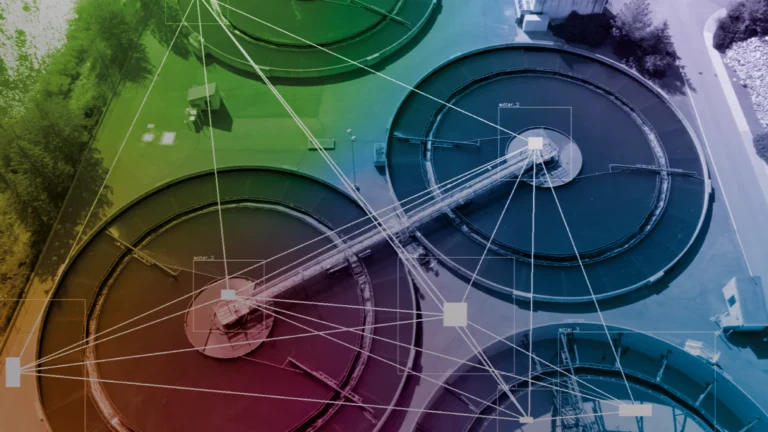
The objective of this measure is to achieve highly innovative projects for the treatment and recycling of waste from strategic supply chains electrical and electronic equipment (WEEE, including photovoltaic panels and wind turbines), the paper and cardboard industry, textiles, plastics. A system of monitoring through the use of satellites, drones and Artificial Intelligence technologies, will enable prevent/suppress illegal dumping. And meeting European standards will prevent the opening of new infringement procedures against Italy.
The benefits of improving waste treatment and recycling are for:
- Dispose of waste more efficiently thanks to state-of-the-art facilities
- Reduce discarded materials, increase recycling, and use fewer raw materials.
- Eliminate toxic emissions produced by storage facilities
- Prevent new infringement procedures against Italy
Creation of new waste management facilities and modernisation of existing ones.
from 30/06/2021 to 30/06/2026
for a total of €1,500 million
The investment objective is Improving and digitising urban waste management and strengthen the infrastructure for Recycling, modernising the systems treatment (paper, glass, organic waste, wastewater, leather scraps...) by creating new ones, so as to bridge the gap between the Northern regions and those in the Centre-South.
The benefits:
- Optimisation of urban waste selective collection network
- New plants for the treatment and recycling of organic waste, multi-material, glass, paper packaging, and innovative plants for particular flows
- Reduction of illegal landfills
- Reducing the North-South gap in waste management facilities and operations
On 15 and 16 October, the decrees were published in the Official Gazette and the Ministry for Ecological Transition simultaneously released the notices for the individual lines of intervention. Proposals can be submitted within 120 days from the date of publication of the notices on the website of Ministry